
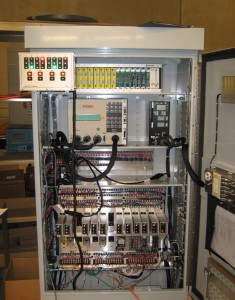
 DMD undertake traffic signal designs for new installations, upgrades and modifications to existing signals. Our experience and expertise includes scenarios ranging from simple to complex designs, as well as preparation and deployment of signal coordination and timing plans. In addition to signal design, we provide troubleshooting, inspection, conditions assessment and verification services, as well as testing, set-up and commissioning of traffic controllers and related systems.From a signal design standpoint we typically prepare plans, specifications and cost estimates. Drawings and specifications are to a high level of detail and quality in order to reduce change-orders. As we undertake signal designs for many municipals, governments, and cities, we understand the specific requirements for each client and are able to provide technical support and expert advice. As new involving technologies and equipment are common in the traffic signal world, DMD through hands on testing, set-up and commissioning, and manufacturer training, are able to assess and implement new technologies and equipment.
 Our experience includes vehicle detection systems, CCTV cameras, traffic management systems, fibre optic and radio communication systems, red light camera systems, priority systems, railway interconnection systems, audible pedestrian signals, traffic controllers, cabling, LED signals, signal poles, foundations, and uninterruptable power supplies, signing, custom phasing, signal and rail TEXDOT timing sheets.
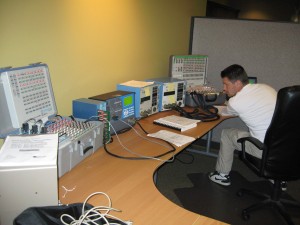
We provide optimized signal timing plans which use optimization features in the controller for improved operations. We used our controller set-up, commissioning and testing knowledge to develop efficient signal phasing, timing and coordination plans which we can test in our signal shop. This results in seamless deployment and efficient operation.
 DMD optimize signal operation and improve efficiency. In the case of road corridors, the flow of traffic is typically only assessed in theoretical terms based on traffic counts run via a traffic modeling software. To optimize signal timings DMD utilize arterial-based time-space and platoon progression software. This software allows one to drive through the corridor. The systems GPS device can actually record delay and develop time space model diagrams, thus refining signal timing and coordination plans. The software can be used to assess efficiency, refine timings and measure improvements. Results from past projects show a 30% or greater delay reduction.
An example of a recent traffic signal coordination project along with time space diagrams can be found in the attached video:









