
 DMD undertake electrical engineering for transit, air and sea modes of transportation. Key elements of these projects typically include electrical and power distribution, lighting and controls, navigational and guidance systems, CCTV and security systems.
Our drawings are prepared using AutoCAD software. Drawings typically include site plans defining equipment locations, wiring, conduit, lighting, service connections, notes and legends, single line diagrams, details including cabinets and kiosks, trenching and backfilling, BC Hydro connections, and concrete foundations.
DMD are very familiar with specific Canadian Electrical Code requirements and related standards as they apply to electrical and lighting systems. DMD staff work closely with suppliers and owners to define system operations and requirements. Following the system installation, DMD are involved with the set-up, testing and commissioning of the systems.
DMD prepare well detailed and field proven plans, specification and estimates tailored specifically to transportation projects. Specific transportation elements include:
 Transit
These projects include lighting and electrical bus loops, park and ride facilities, parking lots, pedestrian plazas and bus shelters. For addition information refer to our Lighting Qualifications section. Additional elements include security systems, such as CCTV, monitoring systems and code blue stations. DMD have also undertaken the design of transit priority systems as defined under our ITS Qualifications section. Other related expertise includes transit tunnel lighting systems and related controls.
Air
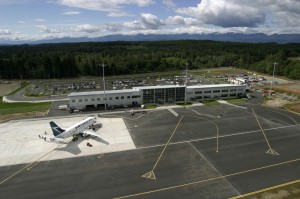 These projects include runway, signage, apron lighting systems and related electrical and controls designed to Transport Canada TP312 standards. For airport apron lighting DMD use our lighting modelling software to assess shadowing from aircraft and provide the required vertical and horizontal illuminance. DMD are well versed in high mast lighting systems having undertaken and developed numerous standards used throughout the industry. Though effective in proving uniform lighting, these tall high mast towers can have an impact on aircraft and local communities, as the bright lights set against a dark sky can cause excessive glare and loss of visibility We also assess and mitigate stray light impacts on aircrafts, as well the surrounding communities.
 Sea
Sea
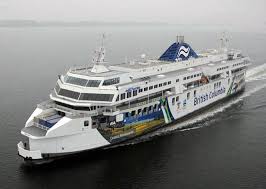
These projects include lighting and electrical systems for ports and marinas. DMD are well versed in high mast lighting systems having undertaken and developed numerous standards used throughout the industry. Large port facilities require a high-mast lighting tower to provide the required vertical and horizontal illuminance. DMD also undertake design for marinas, which includes outlets for ship power, lighting and electrical systems for buildings and related elements.
Rail
 These projects include switching points, railway road crossings, rail yards and maintenance facilities. In addition DMD have also developed warning systems for rail crossings as defined in our ITS Qualifications section. Our lighting designs include vertical and horizontal illuminance modelling and calculations. DMD have applied industry lighting standards such as the American Railway Engineering and Maintenance Right-of-Way Association (AREMA) Manual for Railway Engineering and the llluminating Engineering Society of North America (IESNA) Lighting Handbook. We also assess and mitigate stray light impacts on the surrounding communities. DMD have undertaken numerous assessments and provided analysis of the off-site impacts of these lighting systems on the surrounding communities.









